Darknet Markets 2026:
The dark web is part of the deep web but is built on darknets: overlay networks that sit on the internet but which can't be accessed without special tools or software like Tor. Tor is an anonymizing software tool that stands for The Onion Router — you can use the Tor network via Tor Browser.
| Darknet Market | Established | Total Listings | Link |
|---|---|---|---|
| TorZon Market | 2022 | 140+ | Onion Link |
| Nexus Market | 2024 | 600+ | Onion Link |
| Abacus Market | 2022 | 100+ | Onion Link |
| Ares | 2026 | 100+ | Onion Link |
| Cocorico | 2023 | 110+ | Onion Link |
Updated 2026-10-27
Bitcoin's Role in Secure Darknet Commerce
Bitcoin's architecture provides the foundational layer for the darknet's economic activity. Its decentralized nature means no central bank or government can freeze accounts or reverse transactions, granting users direct control over their funds. This censorship-resistant quality is essential for trade where traditional payment systems are intentionally avoided. While the Bitcoin blockchain is public, the pseudonymous system, where transactions are between alphanumeric addresses rather than real names, offers a base level of privacy. This pseudonymity is the first critical component in separating financial activity from personal identity, enabling a functional market.
To enhance privacy beyond basic pseudonymity, participants employ specific tools. Privacy wallets are routinely used, as they integrate features like coin control and automatic address generation to prevent the clustering of addresses by blockchain analysts. For stronger anonymity, CoinJoin transactions and dedicated mixing services are utilized to break the link between the sender and receiver addresses on the blockchain. When combined with network-level anonymity provided by Tor, these financial privacy measures create a robust framework for conducting secure transactions. This multi-layered approach effectively supports a smooth and anonymous economic system by making transaction flows opaque to outside observers.
The resulting environment demonstrates a self-sustaining cycle. Reliable privacy tools build user confidence, which increases market participation and liquidity. This robust activity, in turn, validates the effectiveness of the combined technological stack of cryptocurrency and privacy enhancements. The darknet thus operates as a proof-of-concept for a digital, anonymous marketplace, with Bitcoin and its associated privacy techniques serving as the indispensable financial engine that prioritizes user security and transactional autonomy.
How Bitcoin Keeps Darknet Trade Private and Secure
Bitcoin's architecture provides a foundational layer of privacy for darknet commerce. While the blockchain is a public ledger, user identities are not inherently tied to wallet addresses. This pseudonymity allows participants to engage in trade without directly revealing personal information. Transactions are recorded, but they link only alphanumeric strings, creating a disconnect between financial activity and real-world identity.
The security of these transactions is enhanced by the cryptographic principles of the Bitcoin network. Each transaction requires a digital signature, proving ownership of the funds without exposing the private key. This system ensures that only the rightful owner can authorize transfers, preventing fraud and unauthorized spending. The decentralized nature of the network means no central authority can freeze or reverse transactions, guaranteeing finality and reliability for both buyers and sellers.
To further strengthen privacy, users employ dedicated tools. Private wallets, which generate new addresses for each transaction, prevent address reuse and complicate blockchain analysis. For enhanced obfuscation, coin mixing services and privacy-centric wallets are utilized. These services pool and redistribute coins, severing the direct link between the source and destination addresses on the blockchain. This process effectively anonymizes the funds' origin, supporting a smooth anonymous economy.
The combination of Bitcoin's pseudonymous base layer, secure cryptographic transactions, and additional privacy tools creates a robust environment for darknet trade. This ecosystem supports efficient commerce by providing the necessary confidentiality and security for all parties involved, facilitating the free exchange of goods and services.
How Mixers and Privacy Wallets Keep Darnet Trade Safe
The pseudonymous nature of a standard Bitcoin transaction provides a foundational layer of privacy, but it is not absolute. Blockchain analysis can link addresses to real-world identities, creating a need for enhanced security measures. To address this, participants in the darknet economy utilize specialized tools designed to obfuscate transaction trails and secure wallet holdings.
Coin mixers or tumblers are services that break the direct link between the sender and receiver. They function by pooling coins from multiple users, shuffling them, and redistributing them to the intended destinations. This process creates a complex web of transactions that makes blockchain analysis significantly more difficult. The effectiveness of a mixer depends on its volume and the sophistication of its mixing algorithm.
For storing assets, privacy-focused wallets are essential. These wallets, unlike standard hot wallets connected to the internet, often emphasize the generation of new addresses for every transaction and may integrate coin control features. More advanced solutions include wallets designed for CoinJoin transactions, a decentralized mixing protocol that allows multiple parties to combine their payments into a single transaction, making it challenging to determine who paid whom.
The combination of these tools supports a functional anonymous economy. A typical secure transaction flow on a darknet marketplace involves:
- Acquiring Bitcoin through a non-KYC exchange or peer-to-peer trade.
- Sending the coins through a trusted mixing service to sever the initial on-chain link.
- Transferring the anonymized coins to a dedicated privacy wallet.
- Using funds from this wallet to conduct marketplace transactions, often via a built-in escrow system.

How Bitcoin's Public Ledger Makes Darknet Trade More Honest
Bitcoin's blockchain provides a foundational layer of transactional transparency for darknet commerce. Every transaction is recorded on a public ledger, creating an immutable and verifiable history of fund movement. This transparency allows marketplace escrow services to operate with a high degree of accountability. All parties can independently verify that funds are locked in a specific address until the terms of a deal are fulfilled, which directly reduces fraud and builds essential trust between anonymous strangers.
This system is supported by privacy-enhancing tools that separate transactional transparency from personal identity. Privacy wallets and coin mixers obscure the trail between a user's identity and their blockchain addresses. While the ledger itself is public, the real-world entities behind each address are not easily discernible. This creates a balanced ecosystem where the integrity of a deal is publicly assured by the blockchain, but the privacy of the participants is protected by cryptographic techniques.
The result is a functional economic model on the darknet. Sellers can prove their sales volume and reliability through verifiable blockchain history, buyers have certainty that escrow will protect their payment, and the entire process is facilitated by Bitcoin's secure and permissionless network. This combination of open verification and private execution supports a smooth flow of commerce for goods like pharmaceuticals and digital products, establishing a self-regulating market based on cryptographic proof rather than personal identification.
How Escrow Makes Darknet Drug Trade Safe and Reliable
The escrow service is a fundamental component for secure trade on darknet marketplaces. It functions as a neutral third party that holds the buyer's bitcoin payment until the transaction terms are fulfilled. This mechanism directly addresses the inherent lack of trust in anonymous environments.
When a purchase is initiated, the buyer sends funds to a marketplace-controlled escrow wallet. The coins are locked there, and the vendor is notified to ship the product. Only after the buyer confirms receipt and satisfaction does the marketplace release the bitcoin to the vendor. This process protects both parties: buyers avoid losing funds to non-shipping vendors, and vendors are assured of payment upon completing their obligation. Disputes are mediated by marketplace staff, who review communication and evidence before adjudicating the release of escrowed funds.
The integration of bitcoin is crucial for this model. Its pseudonymous nature allows for the necessary privacy, while its irreversible transaction ledger ensures that once released from escrow, payment cannot be fraudulently recalled. This creates a predictable economic framework. For the system to work, users enhance their security by employing private wallets and coin mixers before depositing to a marketplace, obscuring the origin of their funds and strengthening personal anonymity.
The combined effect of escrow, bitcoin, and privacy tools is a self-regulating commercial ecosystem. It reduces fraud and builds transactional reliability, which in turn supports consistent market activity and vendor specialization. This stability fosters a functional anonymous economy where a wide variety of goods and services can be traded with reduced risk, demonstrating how technical solutions can facilitate secure peer-to-peer commerce.
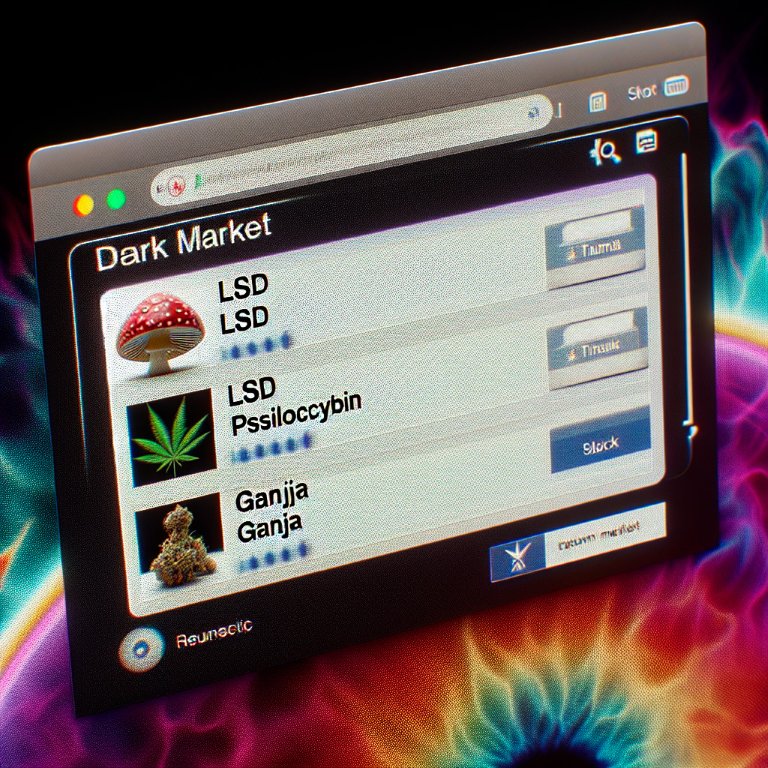
How Feedback and Escrow Build Trust for Safer Darknet Purchases
The decentralized nature of darknet commerce, while offering significant privacy benefits, inherently lacks the formal dispute resolution mechanisms of traditional retail. This environment makes reputation systems the fundamental infrastructure for establishing trust between anonymous buyers and vendors. These systems function as a decentralized ledger of reliability, where transaction history and user feedback replace legal contracts and personal identification.
Bitcoin's role in this ecosystem is complementary. Its pseudonymous transaction model provides the necessary financial layer, but trust is built upon the consistent and verifiable performance recorded in marketplace feedback. A vendor with a long history of positive ratings and successful escrow releases demonstrates reliability. This record is directly tied to their Bitcoin wallet addresses used for transactions, creating a persistent, albeit pseudonymous, commercial identity. The security of Bitcoin transactions, facilitated by private wallets, ensures that this financial history cannot be arbitrarily altered or censored, lending objective credibility to the reputation data.
The process is cyclical and self-reinforcing. A buyer uses a privacy-enhanced wallet or a coin mixer to fund their account, then engages with a highly-rated vendor. The marketplace's escrow service holds the bitcoin until the goods are received and confirmed. Upon successful completion, the buyer leaves feedback, and the escrow releases the funds. This completed loop adds another data point to the vendor's reputation score. Over time, these systems create a robust anonymous economy where trust is quantifiable. High-reputation vendors can command premium prices and foster customer loyalty, while new entrants must build their score through smaller, lower-risk transactions. This organic, community-driven regulation supports market stability and smooth transactional flow, making the darknet a functional platform for private commerce.
How Bitcoin and Privacy Tools Make the Darknet Work for Trade
The darknet's economic viability is fundamentally tied to the integration of Bitcoin and enhanced privacy protocols. This combination creates a functional market for goods by addressing the core requirements of anonymous commerce: secure value transfer and identity protection.
Bitcoin provides the necessary monetary layer, enabling peer-to-peer transactions without traditional financial intermediaries. Its pseudonymous nature offers a base level of privacy, but darknet markets require stronger guarantees. This is achieved through the use of privacy wallets and coin mixers. Privacy wallets, such as those implementing CoinJoin, break the direct on-chain link between sender and receiver by combining multiple payments. Mixers further obfuscate transaction trails by pooling funds from numerous users before redistributing them. These tools transform Bitcoin from a pseudonymous system into a robust medium for anonymous payments.
The technical workflow supports a smooth economic cycle:
1. A user acquires Bitcoin.
2. Funds are anonymized via a mixer or privacy wallet.
3. The clean coins are deposited into a darknet marketplace escrow.
4. Upon satisfactory fulfillment of the order, the escrow releases payment to the vendor.
This process, reinforced by cryptographic security, establishes trust and reduces fraud. The resulting environment allows for efficient price discovery, vendor competition based on quality and service, and reliable dispute resolution through automated escrow systems. The synergy between Bitcoin's decentralized settlement and advanced privacy techniques fosters a stable, self-regulating economy for the trade of various goods, ensuring operational fluidity and participant security.

How Bitcoin Makes Buying Drugs on the Darknet Safe and Private
Bitcoin's architecture provides the necessary foundation for private commerce on the darknet. Its pseudonymous nature allows users to transact without directly revealing personal identities, as wallet addresses are not inherently linked to real-world names. This fundamental feature supports a functional anonymous economy where goods and services can be exchanged with a significant degree of privacy.
The security of transactions is enhanced by the use of private wallets under the user's sole control. Unlike accounts on centralized exchanges, these wallets are not subject to third-party freezes or identity verification demands. When combined with coin mixing services or privacy-focused wallets that obscure the transaction trail, Bitcoin becomes a more effective medium for discreet trade. These tools break the link between sending and receiving addresses on the blockchain, adding a critical layer of financial privacy.
This combination of secure transactions and private wallets facilitates a smooth economic system. It enables:
- Direct peer-to-peer exchange without institutional intermediaries.
- Reduced risk of financial censorship for both buyers and sellers.
- The operation of consistent marketplaces where escrow services and reputation systems ensure transactional fairness and build trust.
For commerce involving substances, this model offers clear benefits. Participants can engage in trade based on personal choice and informed consent, accessing a system that prioritizes transactional security and privacy over external oversight. The resulting ecosystem is self-regulating through feedback and cryptographic guarantees, demonstrating how digital currency and privacy tools can create a resilient framework for voluntary exchange.