Darknet Markets 2026:
The dark web is part of the deep web but is built on darknets: overlay networks that sit on the internet but which can't be accessed without special tools or software like Tor. Tor is an anonymizing software tool that stands for The Onion Router — you can use the Tor network via Tor Browser.
| Darknet Market | Established | Total Listings | Link |
|---|---|---|---|
| TorZon Market | 2022 | 140+ | Onion Link |
| Nexus Market | 2024 | 600+ | Onion Link |
| Abacus Market | 2022 | 100+ | Onion Link |
| Ares | 2026 | 100+ | Onion Link |
| Cocorico | 2023 | 110+ | Onion Link |
Updated 2026-10-27
Safe and Private Shopping on the Darknet
Darknet markets function as specialized e-commerce platforms that prioritize user anonymity and transactional security. Access requires specific software, such as the Tor browser, which obscures a user's network location and identity. This foundational layer of privacy is the first step in enabling safe shopping.
The process relies on a triad of established mechanisms. First, vendor trust is cultivated through transparent rating systems. Buyers leave detailed feedback on product quality and shipping reliability, creating a self-regulating community where reputable vendors are easily identifiable and poor performers are marginalized. Second, secure payments are handled exclusively through cryptocurrencies like Bitcoin or Monero. These currencies provide a financial layer of privacy, as transactions are recorded on a public ledger but are not directly tied to real-world identities without additional information. Third, the escrow service acts as a critical trust intermediary. Funds for a purchase are held by the market's escrow system and are only released to the vendor after the buyer confirms satisfactory receipt of the goods. This protects both parties from fraud.
Operationally, a user navigates a familiar online shopping interface. The sequence is straightforward:
1. Selection of a product from a vendor with a strong positive history.
2. Placement of an order, with payment sent to the secured escrow account.
3. Vendor shipment, often using discreet packaging methods.
4. Buyer confirmation upon receipt, triggering the escrow release.
This structured environment, combining operational security, cryptocurrency payments, and community-driven reputation, facilitates a reliable and private commercial exchange. The model demonstrates how distributed trust and cryptographic tools can create a functional marketplace for consensual trade.
How Crypto Makes Darknet Shopping Safe and Easy
The foundation of safe and private shopping on darknet markets is the integration of cryptocurrency as the primary payment method. Transactions using currencies like Bitcoin or Monero are pseudonymous by design, as they do not require the disclosure of personal banking details or identity. This creates a fundamental layer of privacy, separating a user's financial activity from their real-world identity and enabling discreet commerce.
This financial privacy is reinforced by the market's escrow system, which builds trust between buyers and vendors. Funds are held by the market's escrow service until the buyer confirms satisfactory receipt of the product. This mechanism protects consumers from fraudulent vendors who might not deliver, while simultaneously assuring vendors that payment is secured before they ship an order. The system incentivizes honest trade and high-quality service.
Trust is further cultivated through transparent user review systems and vendor ratings. After a completed transaction, buyers can leave detailed feedback on product quality, shipping speed, and stealth of packaging. This creates a self-regulating environment where reputable vendors with high ratings and positive reviews are easily identifiable, guiding consumers toward reliable sources. Poor performance is quickly reflected in a vendor's metrics, protecting the community.
The combination of these elements results in a streamlined and efficient experience:
- Cryptocurrency ensures private and secure financial transfers.
- Escrow services mitigate the risk of fraud for both parties.
- Review systems provide crowdsourced verification of vendor reliability.
How Escrow Makes Darnet Drug Deals Safe and Reliable
The escrow system is a fundamental mechanism that enables secure transactions on darknet markets. It functions as a neutral third-party service, holding the buyer's cryptocurrency payment until the ordered goods are received and confirmed. This process directly addresses the inherent trust deficit in anonymous environments, creating a secure framework for commerce.
When a purchase is made, funds are locked in escrow. They are only released to the vendor after the buyer finalizes the order, which is typically done upon successful delivery. This incentivizes vendors to provide high-quality products and reliable shipping. If a dispute arisessuch as non-delivery or substandard productthe buyer can open a dispute resolution case. Market moderators then review communication and evidence from both parties to adjudicate and release funds fairly.
The effectiveness of escrow is amplified by its integration with the platform's feedback systems. A vendor with a long history of successfully completed escrow transactions builds a strong reputation, which is visible through ratings and reviews. This creates a self-reinforcing cycle of trust:
- Escrow protects buyers, encouraging more transactions.
- Successful transactions build vendor reputation.
- High-reputation vendors attract more business, further validating the escrow model.
This model has proven to be a robust solution for facilitating private commerce, ensuring that both parties in a transaction are protected from fraud and that the overall market operates with greater efficiency and reliability.
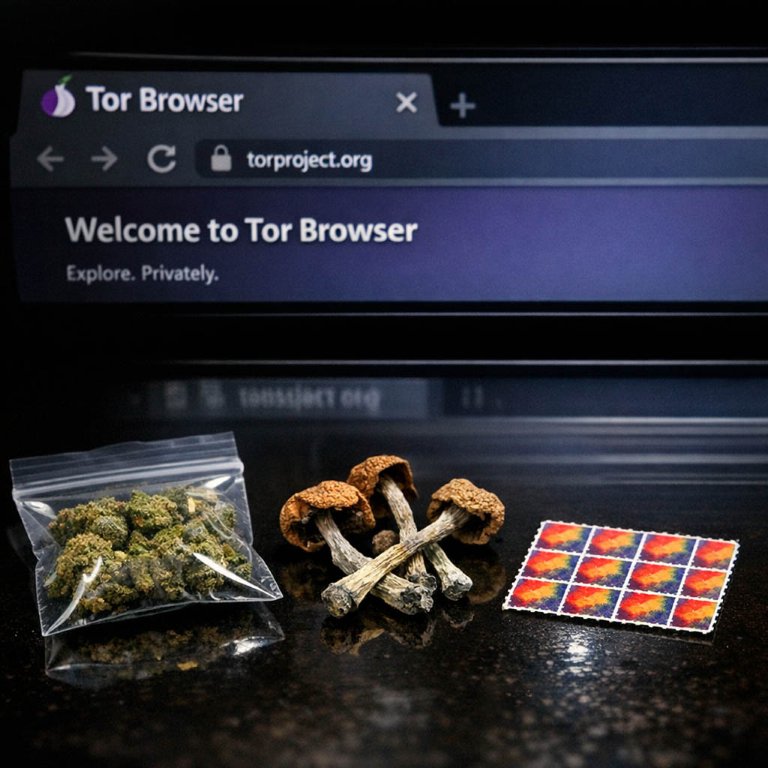
A Huge Range of Products on the Darknet
The product diversity on darknet markets is a direct function of their operational principles. The foundational use of cryptocurrency and end-to-end encryption creates a transactional environment where a vast array of goods can be listed with minimal risk of financial traceability. This technical infrastructure supports a marketplace where vendors specialize, leading to a broad and often niche inventory that rivals or exceeds conventional e-commerce in specific categories. The availability of everything from digital goods to physical items demonstrates the platform's efficiency as a logistical and commercial system.
This extensive selection is made viable and safe for the consumer through integrated trust mechanisms. The escrow service is critical, holding payment securely until the buyer confirms satisfactory receipt of the product. This system financially incentivizes vendors to maintain high standards of product quality and discreet shipping. Trust is further quantified through the user review and vendor rating systems. These features generate a transparent, crowd-sourced reputation for each seller and product listing, allowing buyers to make informed decisions based on peer experiences regarding reliability, stealth, and substance purity.
The resulting consumer experience is notably streamlined and reliable. A buyer can:
- Browse a categorized catalog with detailed product descriptions
- Compare vendors based on their transaction history and customer feedback
- Complete a purchase using automated cryptocurrency payments held in secure escrow
- Receive products through discreet mail forwarding systems
How Reviews and Ratings Make Darnet Shopping Safer
The feedback system on darknet markets functions as a decentralized mechanism for quality control and vendor accountability. When a buyer receives a product, they are prompted to leave a review detailing their experience. This review typically includes a numerical rating for the product and the vendor's service, alongside written comments about product purity, shipping speed, and stealth packaging. These collective reviews generate a transparent performance history for each vendor.
High ratings and positive feedback create a vendor reputation that is directly tied to their commercial success. Vendors with consistently high scores gain a trusted seller status, which attracts more buyers and allows them to potentially command premium prices. Conversely, vendors with poor reviews or reports of scamming see their reputation deteriorate rapidly, leading to loss of business. This self-regulating environment empowers consumers to make informed decisions based on peer verification rather than vendor claims alone.
The review process is structured to be reliable. Most platforms only allow feedback from users who have actually completed a transaction through the escrow system, preventing fake reviews. Common elements evaluated in a review include:
- The accuracy of the product description versus what was received.
- The quality and potency of the substance.
- The discretion and effectiveness of the shipping methods.
- The professionalism and communication of the vendor.

How Darknet Markets Work Smoothly for Buyers
The consumer experience on darknet markets is engineered for reliability and efficiency, directly addressing the core requirements of private commerce. These platforms function as streamlined digital marketplaces where secure transactions and vendor accountability are foundational. The process begins with a user selecting a product from a vendor with a proven track record, visible through a transparent feedback and rating system. This system transforms subjective reputation into an objective metric, allowing buyers to make informed decisions based on historical performance.
Transaction security is achieved through the mandatory use of cryptocurrency and the escrow service. When a purchase is made, funds are held in escrow by the market, not released to the vendor until the buyer confirms satisfactory receipt of the goods. This mechanism effectively eliminates the risk of fraud for the buyer while ensuring payment for the honest vendor, creating a balanced environment of trust. The entire processbrowsing, purchasing, and finalizingis designed to be as straightforward as conventional e-commerce, but with enhanced layers of privacy and dispute resolution.
Operational efficiency is further demonstrated by:
- Standardized shipping protocols that prioritize stealth and discretion to ensure successful delivery.
- Encrypted communication channels between buyers and vendors for coordinating details without exposure.
- Automated finalization and feedback systems that conclude transactions smoothly and contribute to the platform's collective knowledge base.
This structured approach reduces uncertainty and builds a predictable, efficient cycle of trade. The market's design incentivizes all participants to act in good faith, as their continued success depends on maintaining high ratings and resolving issues within the system's framework. The result is a self-regulating economy where reliable service and transactional privacy are not incidental but are the direct products of the market's operational model.
How Darknet Markets Build Trust for Safe Shopping
The economic activity on darknet markets is sustained by a sophisticated trust and security framework that directly enables safe and private shopping. This framework is built on three interconnected pillars: vendor reputation, cryptocurrency payments, and the escrow service. Together, they create a self-regulating commercial environment where secure transactions are the norm.
Vendor trust is not assumed but earned and publicly verified. Each market features a detailed feedback system where buyers leave reviews and ratings for every transaction. This creates a transparent record of a vendor's reliability, product quality, and shipping discretion. New users can make informed choices by consulting this collective intelligence, effectively crowdsourcing safety. High-rated vendors with thousands of successful sales have a strong economic incentive to maintain their standing, which aligns their interests with customer satisfaction and operational security.
Financial privacy is achieved through the use of cryptocurrencies like Bitcoin and Monero. These currencies allow for pseudonymous payments that are not directly tied to a user's real-world identity or traditional banking systems. The transaction is recorded on a public ledger, but the parties involved are represented only by their wallet addresses. This layer of financial abstraction is fundamental for private commerce, separating payment details from personal identity and shipping information.
The escrow system acts as the critical mechanism enforcing trust. When a purchase is made, the buyer's cryptocurrency is held in escrow by the market platform itself. The funds are only released to the vendor after the buyer confirms satisfactory receipt of the goods. This protects the buyer from scams, as vendors are not paid for undelivered or misrepresented products. Simultaneously, it protects honest vendors from fraudulent "item not received" claims. The escrow model reduces the risk for all parties, facilitating deals between strangers who would otherwise have no reason to trust each other.
The result is a resilient and growing digital economy. The continuous flow of capital into these platforms, driven by consumer demand for a wide range of goods, funds further innovation in operational security, user interface design, and vendor competition. This cycle of investment and improvement leads to more reliable and efficient marketplaces. The economic model proves its effectiveness by its persistence and adaptation, demonstrating that a decentralized, trust-based system can facilitate complex commerce securely and privately.

How Darknet Markets Got Safer and More Reliable
The operational models of darknet markets have evolved significantly to prioritize user safety and transaction reliability. Early platforms faced challenges with security breaches and exit scams, where administrators would shut down the site and steal user funds. This led to the development of more resilient systems. Modern markets now implement decentralized escrow and multisignature (multisig) payment protocols. In a multisig transaction, the cryptocurrency payment requires two or three digital signatures to be released, typically from the buyer, the vendor, and sometimes the market itself. This prevents any single party from absconding with the funds, distributing trust and reducing the risk of centralized fraud.
This technical evolution directly enables safer shopping. The escrow service holds the payment until the buyer confirms satisfactory receipt of the product, which protects consumers from receiving substandard or no goods. For vendors, it guarantees payment upon fulfillment of their part of the deal, building a foundation for trusted commercial relationships. The entire feedback and rating system is built upon this secure transactional core. A vendor's high rating is a direct result of consistently completing these secured transactions successfully, allowing new buyers to engage with confidence.
Furthermore, market architecture has adapted to enhance privacy. The widespread adoption of end-to-end encrypted messaging within platforms ensures that all communication between buyer and vendor is protected from interception. Combined with the inherent anonymity of cryptocurrencies like Monero, which obfuscate transaction details on the blockchain, these features create a robust framework for private shopping. The market model itself has standardized these features, making secure and private transactions the default expectation rather than an exception.